
Two weeks before a trip, many travelers open a language app with ambitious plans: finish a course, memorize themed word lists, maybe even attempt full sentences in a new script. Two days before departure, life intervenes. The list is half-finished, the grammar feels fragile, and the honest question arrives: Is any of this going to matter when I am actually there?
It will — but probably not in the way the app promised. For a short trip, the goal is not perfection. It is signal: enough language to orient yourself, show respect, and recover gracefully when communication wobbles.
Why "Fluent Before I Go" Is the Wrong Bar
Fluency is a long-horizon outcome built from thousands of small exposures over months or years. A ten-day trip is a different problem. You need situational competence, not a comprehensive mental dictionary.
Think about what actually stresses travelers linguistically:
- Reading a transit map under time pressure
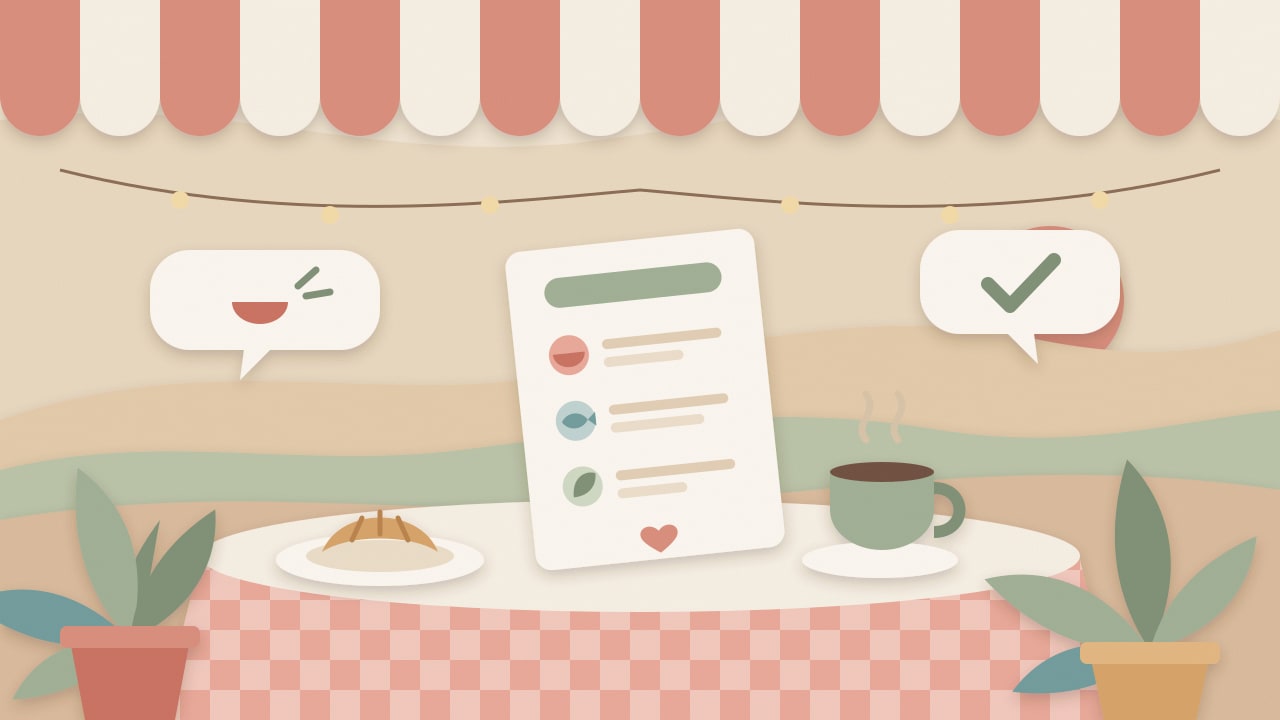
- Deciphering a menu without defaulting to pictures
- Understanding whether a sign says "entrance" or "exit"
- Catching the polite form versus the casual one
- Recovering when someone responds faster than you expected
None of these require flawless grammar. They require fast access to the right word in the right moment — often while you are standing in front of the thing you need to understand.
The Three Buckets That Matter Most
If you only have a few hours to prepare, prioritize vocabulary in three buckets:
1. Navigation signals
Words that tell you where to go, what things cost, and what rules apply: directions, times, prices, open/closed, prohibited/allowed, ticket types. These reduce anxiety in public spaces because they convert unknown environments into readable ones.
2. Politeness and repair phrases
"Please," "thank you," "excuse me," "I do not understand," "Could you repeat that?" — and one honest line about your level ("I am learning"). Politeness is disproportionately valuable on short trips because it signals effort, which most people reward with patience.
3. Personal interest vocabulary
This is the bucket most phrasebooks skip. If you care about coffee, street food, bookstores, hiking trails, or local music, learn the words for your interests. You will remember them better, use them more willingly, and enjoy conversations that phrasebooks never planned for.
Lookup Beats Memorization on the Ground
Even a well-prepared list fails the moment you encounter a word you did not anticipate — a regional dish name, a festival poster, a handwritten special on a chalkboard. Memorizing five hundred words before departure cannot cover every real-world surface.
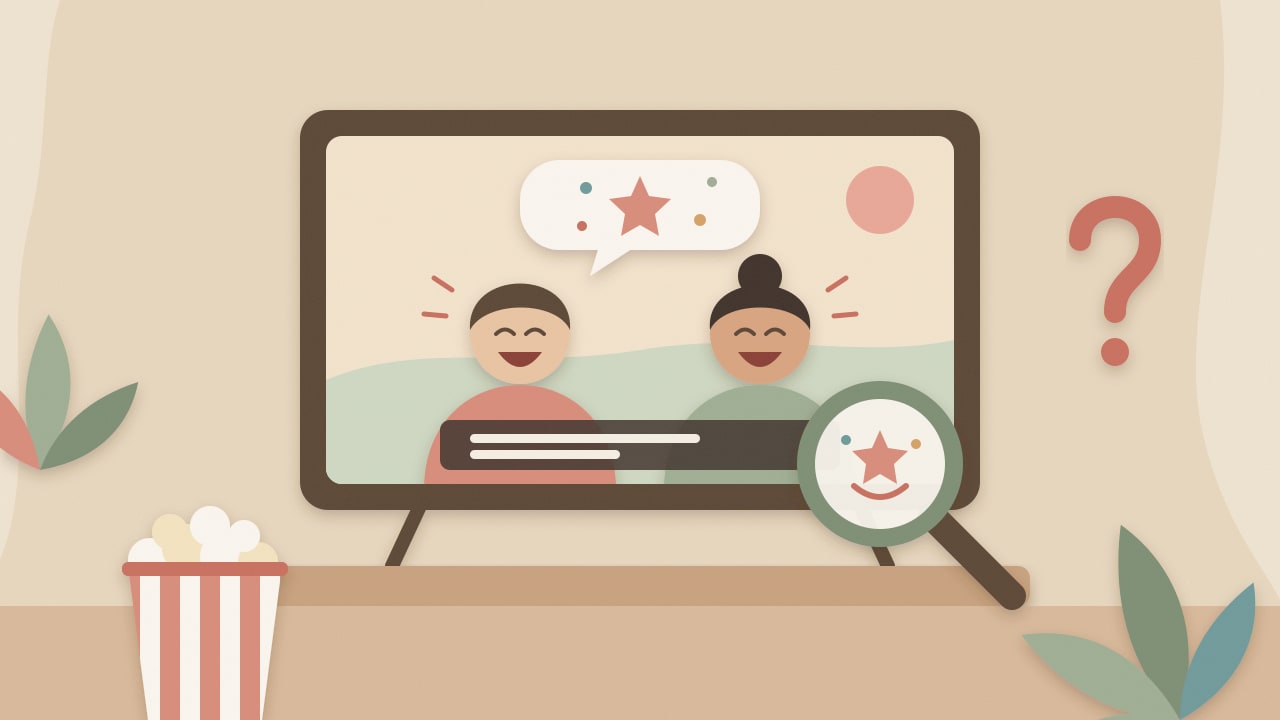
On the ground, speed of lookup matters more than size of memory. When you can point your camera at unfamiliar text and get a definition immediately, you turn surprises into small wins instead of silent retreats. HyperSense is built for exactly that: scan what is in front of you, understand it in context, and move on without breaking the moment.
That does not replace study. It makes study and reality connect. The words you look up during a trip are often the ones your brain decides are worth keeping — because they were attached to an actual experience, not a flashcard drill.
Perfection Creates Silence; Signal Creates Connection
Many travelers stay quiet in a second language not because they know too little, but because they fear sounding wrong. That silence is costly. A short trip is finite; every unasked question is a missed chance to learn something only locals know.
A better mindset: aim to be understood and respectful, not impressive. Use simple sentences. Point at things. Laugh at your mistakes. Ask one follow-up question when someone helps you. People rarely expect tourists to be fluent. They notice effort.
If you mispronounce something, you are still signaling that you care enough to try — which is often the entire social transaction.
A Realistic Pre-Trip Plan (Under Two Hours)
If you want a concrete plan that respects your calendar:
- Pick one navigation theme — transit, dining, or shopping — and learn twenty high-frequency words in that theme only.
- Memorize six repair phrases you can actually say out loud without panic.
- Write down ten interest words tied to what you plan to do (museum, beach, market, café, trail, neighborhood names).
- Download HyperSense and scan ten real-world examples before you leave — a menu photo online, a transit map, a headline from a local paper. Build familiarity with lookup as a habit, not a emergency tool.
- Accept that you will look things up constantly on the trip. That is not failure. That is how short-trip learning works.
After the Trip
When you return, your Recent Words list becomes a honest record of what the trip actually taught you — not what an app guessed you might need. Save the ones that matter to your Library if you want to keep building. Ignore the rest without guilt.
Short trips rarely make you fluent. They can make you curious in a specific direction — and that curiosity, backed by fast lookup, is worth more than a perfect score on a lesson you forgot by baggage claim.
The Takeaway
Before your next trip, do not ask "How much can I memorize?" Ask "What signals do I need to move through the day with confidence?" Navigation, politeness, personal interest — and the ability to look up everything else on the spot.
Perfection is a long game. Signal is what gets you through a great two weeks abroad.